Relationship Rebuild & Communication Support


Service Type(s):

  • Couples Counselling
  • Communication Coaching
  • Conflict Resolution Support

Service(s) Delivered:

  • Joint Intake Session + Individual Check-ins (as needed)
  • 8-Session Couples Program
  • Communication Frameworks & Take-Home Exercises

This case involves a couple in their early 40s who sought Premarital Counselling to address anxiety and fears about committing to marriage. Both partners had previous long-term relationships that ended in ways that left lingering emotional wounds. The man had been betrayed by an ex-partner who cheated on him, leaving him cautious, guarded, and fearful of repeating the same mistakes. The woman grew up in a household where her parents separated when she was very young, which had left her with an underlying fear of instability and uncertainty in intimate relationships.

When they first came to Premarital Counselling, both partners expressed a mix of excitement and apprehension about marriage. The man feared vulnerability, worried that trusting and investing emotionally could lead to heartbreak. The woman expressed concern about losing herself in a relationship, worrying that history might repeat itself and she could face abandonment or relational conflict similar to her childhood experience. Together, these anxieties created tension in discussions about the future, particularly regarding shared finances, living arrangements, and long-term commitments.

Early sessions focused on exploring each partner’s relational history and the impact of past experiences on their current fears. For the man, betrayal had created a strong inner narrative that love was risky and that trust needed to be earned cautiously. For the woman, her early exposure to parental separation had fostered hyper-vigilance about potential instability, leading her to scrutinize any perceived signs of conflict or imbalance in the relationship. Understanding these histories helped both partners recognise that their anxieties were not about each other personally, but reflections of past experiences that were being unconsciously projected onto the relationship.

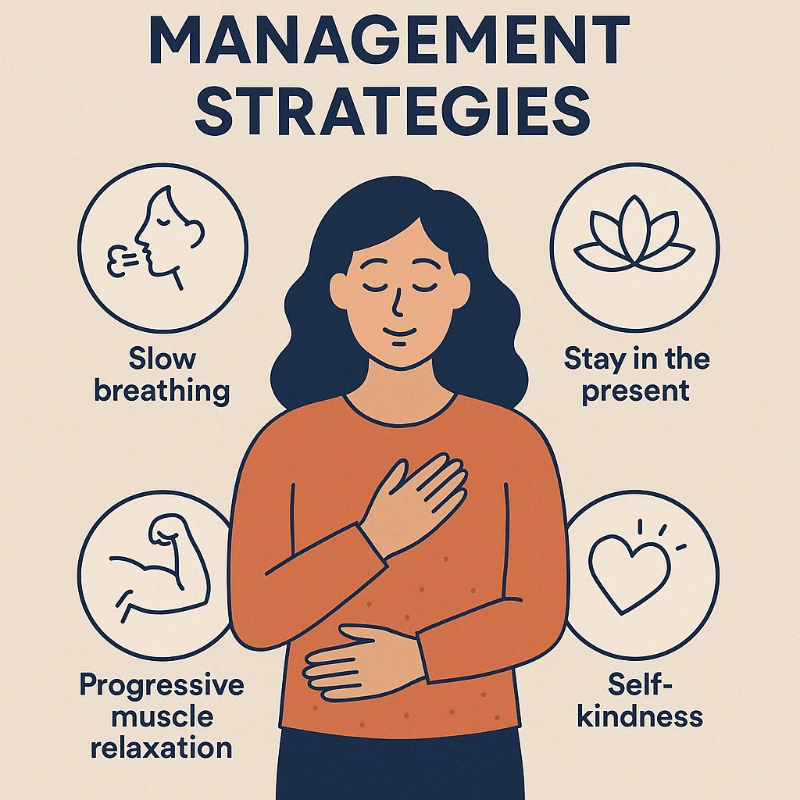
Therapeutic work combined reflective discussion, psychotherapeutic techniques, and exercises in emotional regulation. The couple practiced articulating their fears without judgment, using “I” statements to share vulnerability, and actively listening to each other’s concerns. Role-play exercises were used to explore potential future scenarios, such as disagreements over finances or career choices, allowing them to rehearse constructive problem-solving while noticing emotional reactions in a safe setting. Attention was also given to bodily responses during moments of anxiety, helping each partner notice tension, rapid heartbeat, or shallow breathing, and learn grounding techniques to manage these physical cues.

As sessions progressed, the couple began developing strategies to build trust and emotional security. They learned to differentiate past relational experiences from present dynamics, strengthening their ability to communicate needs and set healthy boundaries. The man gradually allowed himself to express vulnerability without fear of being judged or hurt, while the woman practiced balancing attentiveness with maintaining her autonomy. They also developed rituals for checking in with each other, managing conflict early, and creating shared experiences that reinforced mutual commitment.

By the conclusion of Premarital Counselling, both partners reported feeling more confident about entering marriage. The man was less preoccupied with potential betrayal and more willing to trust, while the woman felt more secure despite her past experiences of instability. Their discussions about the future became collaborative rather than anxiety-driven, and they described feeling a renewed sense of partnership and emotional safety.

This case demonstrates how Premarital Counselling can help couples with prior relational trauma or fear of commitment develop self-awareness, emotional regulation, and trust-building strategies. By addressing the impact of past experiences, couples can enter marriage with greater confidence, resilience, and mutual understanding.

Get in touch with us

Please complete your details below and we will reply to you as soon as possible.