Relationship Rebuild & Communication Support


Service Type(s):

  • Couples Counselling
  • Communication Coaching
  • Conflict Resolution Support

Service(s) Delivered:

  • Joint Intake Session + Individual Check-ins (as needed)
  • 8-Session Couples Program
  • Communication Frameworks & Take-Home Exercises

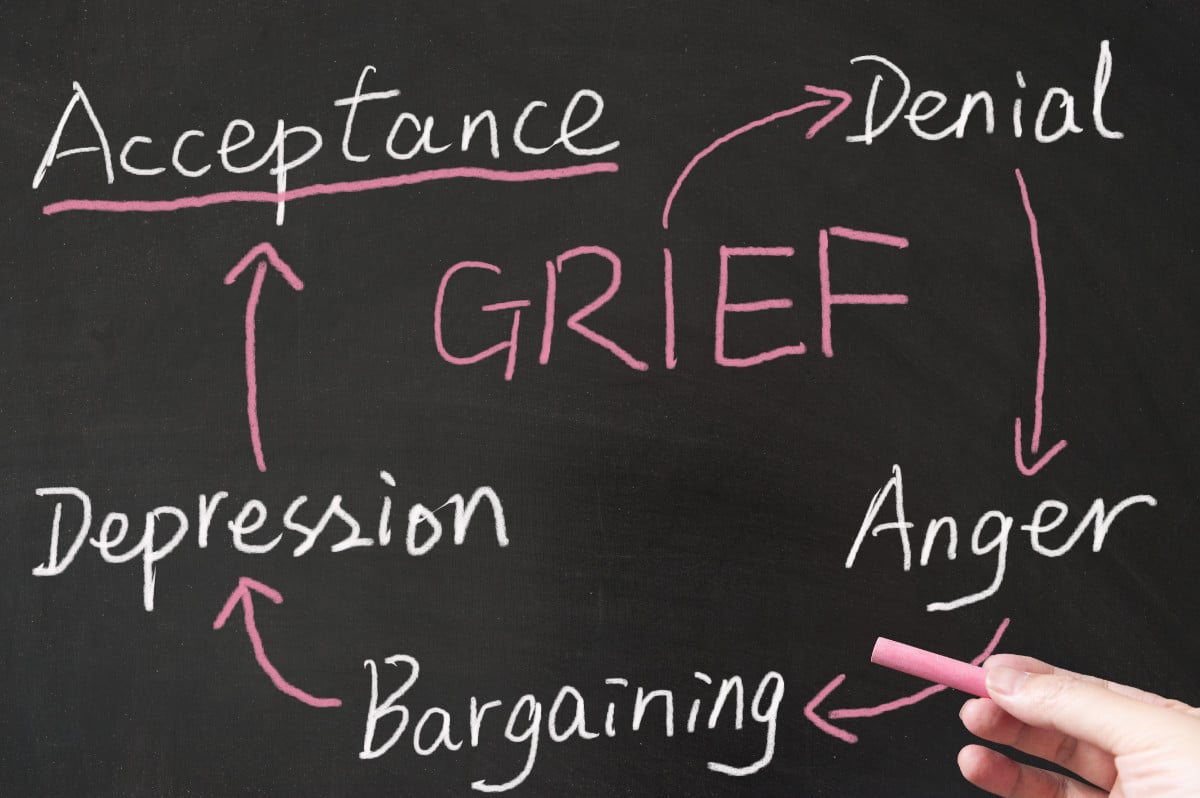
This case involves a man in his mid-30s who sought Grief Counselling after he began experiencing unexpected emotional intensity that didn’t seem connected to anything happening in his current life. Although he functioned well at work and maintained stable relationships, he noticed sudden waves of sadness, irritability, and heaviness that would arise without clear triggers. He described these episodes as “old feelings coming out of nowhere.” Early in therapy, he revealed that he had lost a parent suddenly at the age of eight, which was a loss his family never spoke about or helped him process. The parents unwittingly went into denial as an attempt to protect him from the loss.

As a child, he had been urged to stay strong and not show distress. With little emotional guidance, he coped by disconnecting from his feelings and taking on a quiet, overly responsible role in the family. These adaptations allowed him to cope through adolescence and adulthood, but the unresolved grief remained stored in his body. The recent emotional activation was sparked when a colleague passed away unexpectedly, reawakening the dormant layers of childhood loss.

Therapy initially focused on helping him stabilise and build a sense of safety within himself. His body showed signs of long-held tension, such as, a tight diaphragm, a collapsed chest, and a habitual tendency to hold his breath. Using gentle Somatic Psychotherapy, he began observing these patterns with curiosity instead of fear. He recognised that the constriction in his chest felt “deep and familiar,” connecting it to the suppressed grief of his younger self.

Drawing on Sensorimotor Psychotherapy, we took a very gradual, paced approach. He learned to differentiate between his grounded adult self and the vulnerable child part still carrying unacknowledged pain. Simple orientation practices, noticing the room, feeling the chair beneath him, sensing the floor under his feet, helped anchor him in the present while exploring difficult emotional territory.

As his sense of internal safety grew, we incorporated somatic pendulation, slowly shifting attention between areas of tightness and places of relative ease in his body. This allowed him to approach early memories without becoming overwhelmed. Midway through therapy, he experienced a meaningful shift. He could allow tears to come in a way that felt safe and relieving. He described these emotions as belonging to “the little boy who never got to grieve.”

As we continued, he was able to revisit childhood memories from a more regulated state. Instead of reliving the trauma, he explored the emotions that had been pushed aside, sadness, confusion, longing, loneliness and anger.

In the later stages of therapy, he noticed a deeper emotional integration taking place. He reported feeling less reactive, more at ease internally, and more open in his relationships. Activities he once avoided, such as looking at old photos or discussing his parents with family members, became more tolerable and even meaningful. His romantic relationship also deepened, as he was no longer unconsciously protecting himself from emotional closeness.

By the final phase of therapy, he felt more solid and connected within himself. The grief that once felt unpredictable and overwhelming had become something he understood and could hold with compassion. His sleep improved, his emotional reactivity decreased, and he felt a greater sense of inner steadiness. This case demonstrates how Grief Counselling, using somatic and trauma-informed approaches, can help adults process buried childhood losses and reclaim emotional presence, resilience, and a more integrated sense of self.

Get in touch with us

Please complete your details below and we will reply to you as soon as possible.