Relationship Rebuild & Communication Support


Service Type(s):

  • Couples Counselling
  • Communication Coaching
  • Conflict Resolution Support

Service(s) Delivered:

  • Joint Intake Session + Individual Check-ins (as needed)
  • 8-Session Couples Program
  • Communication Frameworks & Take-Home Exercises

This case study follows a six-week support group designed for adults experiencing mild to moderate anxiety or depressive symptoms. The group consisted of eight participants, all existing clients who had been carefully assessed as suitable for group work. None of the attendees presented with serious or long-term mental health conditions such as bipolar disorder, schizophrenia, or psychosis. The group specifically supported clients managing Clinical Depression or Generalised Anxiety Disorder (GAD), providing a safe and structured environment where they could explore their experiences, share coping strategies, and strengthen emotional resilience.

From the first session, participants described feelings of occasional overwhelm, low mood, or worry that interfered with daily life but had not developed into chronic or severe impairment. Many had experienced periods of anxiety or depression that made social or work functioning more challenging, but none had been disabled by their symptoms. Hearing others articulate similar struggles created an immediate sense of relief and normalisation, helping participants realise that their experiences were valid and shared, rather than isolating.

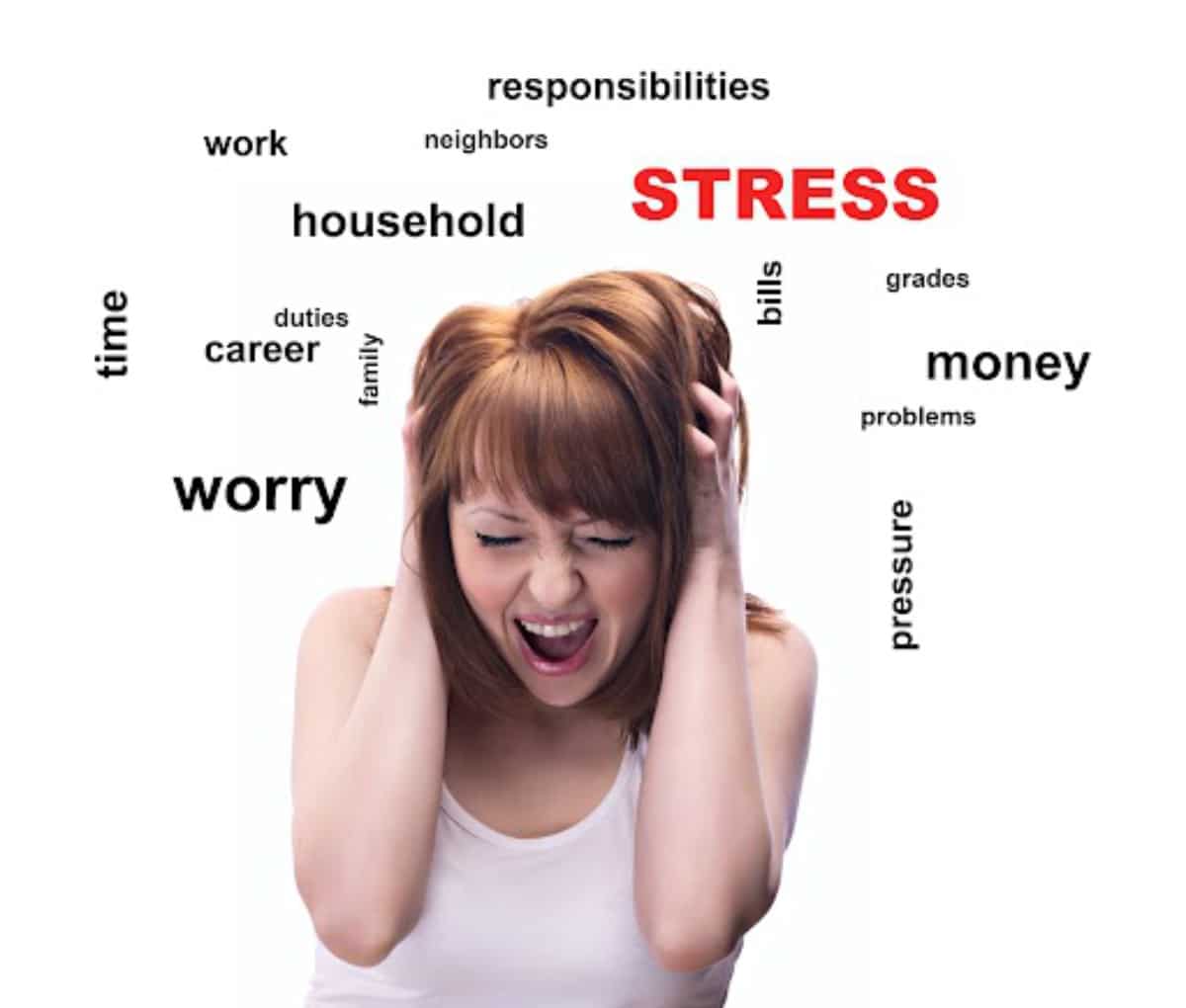
Early sessions focused on identifying common patterns associated with anxiety and depression and understanding how these emotions showed up in daily life. Participants described tension in the body, restless thoughts, periods of low motivation, and moments of self-criticism. While these experiences were impactful, they were generally intermittent and manageable, and the group setting offered participants the opportunity to explore them without fear of being overwhelmed. The facilitator encouraged gentle awareness of physical sensations and emotional responses, allowing participants to notice triggers and habitual coping strategies in a safe space.

As the group progressed, participants began exploring how these patterns influenced relationships and daily routines. Some noticed that anxiety tended to spike during uncertainty or social interactions, while others realised that mild depressive periods often followed stressful work weeks or prolonged self-criticism. Tracking these responses in real time helped participants understand their emotional cycles and develop strategies for early intervention, preventing escalation.

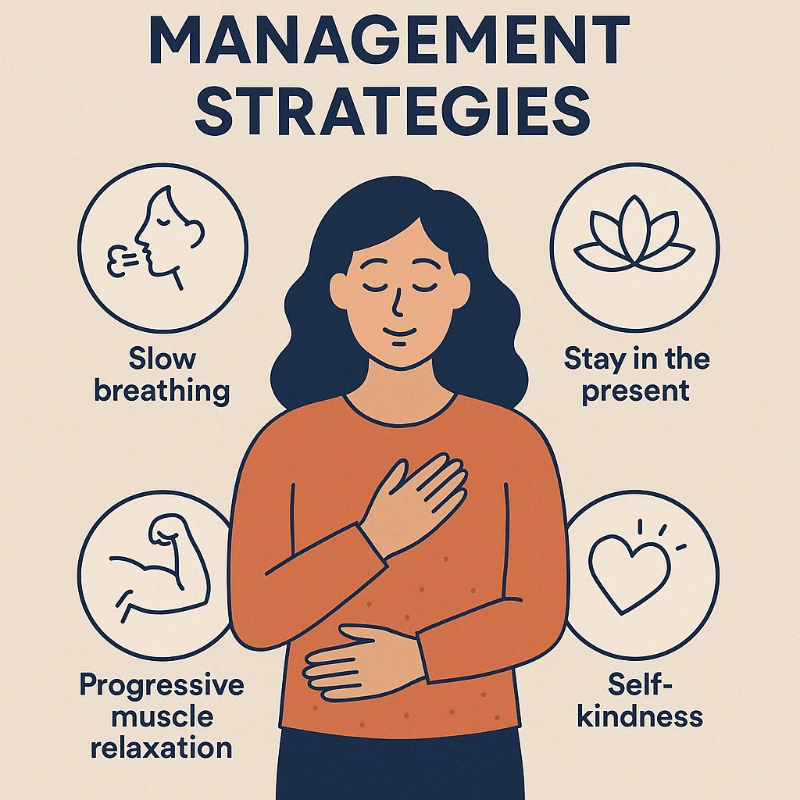
Midway through the program, grounding practices were introduced to help members manage moments of tension or low mood. Simple breath awareness, gentle movement, and mindful observation of bodily sensations allowed participants to reconnect with the present moment and regulate emotional responses. These exercises provided practical tools for managing mild anxiety or depressive symptoms and reinforced the importance of self-care in everyday life.

A significant moment occurred when one participant expressed self-judgment for not handling stress well. The group responded with shared experiences, helping her see that occasional overwhelm is common and manageable. This mutual validation strengthened the group’s cohesion and encouraged participants to approach themselves with greater self-compassion.

In the final sessions, attention turned to maintaining emotional balance, setting boundaries, and identifying early warning signs of stress. Participants reflected on strategies that helped them prevent escalation of symptoms and sustain wellbeing, both independently and within relationships.

By the end of the six weeks, attendees reported feeling more grounded, confident, and supported. The group offered a validating, structured space to share experiences and gain insight, complementing their individual therapy. For participants, Group Therapy can help reinforce practical coping strategies, strengthen self-awareness, and foster a sense of connection, all of which contributed to managing mild to moderate anxiety and depression more effectively

Get in touch with us

Please complete your details below and we will reply to you as soon as possible.