Relationship Rebuild & Communication Support
Service Type(s):
- Couples Counselling
- Communication Coaching
- Conflict Resolution Support
Service(s) Delivered:
- Joint Intake Session + Individual Check-ins (as needed)
- 8-Session Couples Program
- Communication Frameworks & Take-Home Exercises
This case involves a man in his late 20s who sought mindfulness-based therapy to manage workplace-related anxiety. He had recently started a position at a help centre, answering phone calls from clients with a wide range of needs and concerns. While he had the skills and motivation for the role, he found that handling aggressive, frustrated, or demanding callers triggered significant stress. Compounding this, each interaction was followed by an automatic customer satisfaction survey, and low ratings threatened his continued employment, as his six-month probation period required meeting performance metrics.
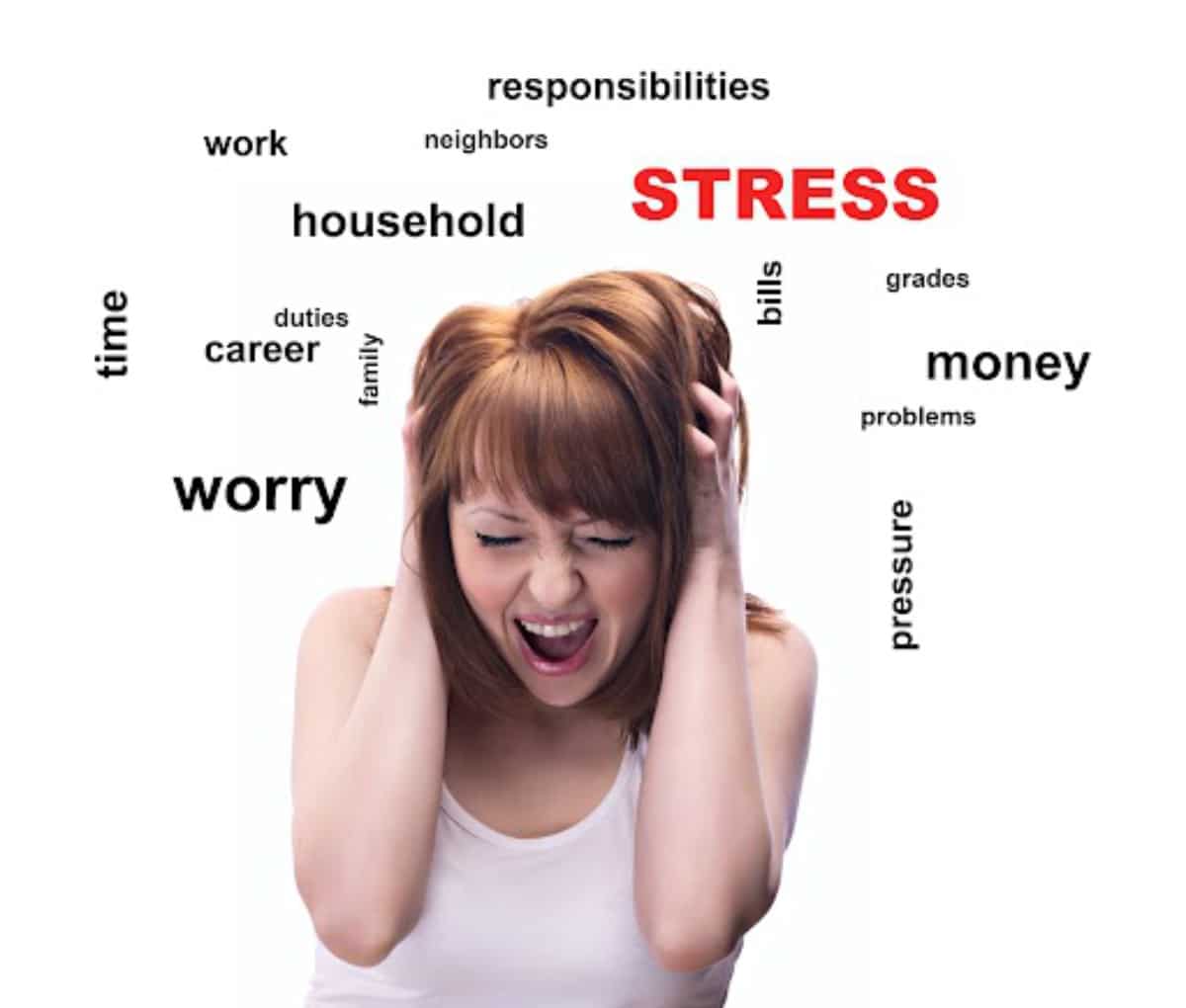
From the outset, it was clear that he experienced heightened physiological and emotional responses during calls. He described his heart racing, hands trembling, and thoughts spiralling with self-criticism after difficult interactions. He also noticed a persistent anticipatory anxiety before each shift, imagining worst-case scenarios and reliving previous negative encounters. These patterns affected his focus, decision-making, and overall confidence, creating a cycle of stress that reinforced the very anxiety he hoped to reduce.
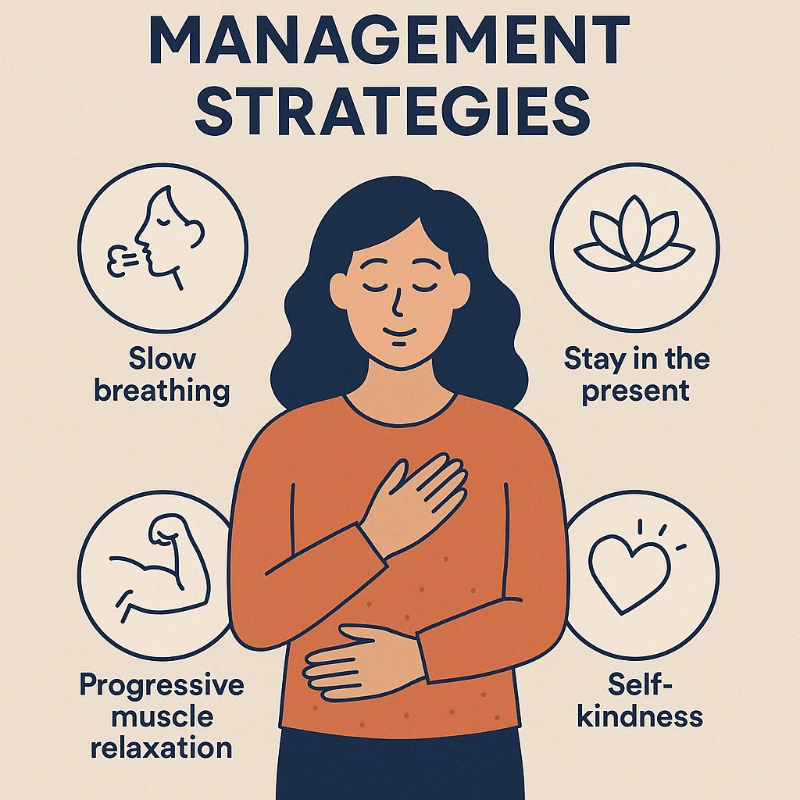
Mindfulness interventions were introduced to help him observe and regulate his internal states. Early sessions focused on cultivating awareness of breath, posture, and bodily tension, allowing him to notice subtle cues that signalled rising anxiety. He learned to recognise the early warning signs of stress, such as shallow breathing or muscle tightness, before they escalated into panic or self-judgment. By tracking these sensations non-judgmentally, he began to interrupt automatic reactions and create space for intentional responses.
In addition to formal exercises, he incorporated short mindfulness practices into his workday. Before answering calls, he paused to ground himself with a few slow breaths, noticed his posture, and reminded himself to respond rather than react. After challenging calls, he practiced brief reflection, observing his thoughts and emotions without assigning blame. This helped him process the interaction, release tension, and reduce the tendency to ruminate on negative customer feedback.
A particularly significant moment occurred when a caller expressed extreme dissatisfaction, leaving a low survey rating. Previously, he would have spent hours replaying the conversation, feeling anxious about the implications for his probation. Using mindfulness techniques, he acknowledged his disappointment, observed his racing thoughts and bodily tension, and returned focus to his next task. Over time, he reported that while negative ratings still elicited concern, they no longer dominated his emotional state or undermined his confidence in the role.
As therapy progressed, he noticed improved emotional regulation, concentration, and resilience. Mindfulness practices allowed him to respond to callers with empathy and composure, even during stressful interactions, and to maintain perspective regarding customer ratings. He also reported increased confidence, recognising that performance metrics were important but not a reflection of his intrinsic worth or competence.
By the conclusion of the therapy period, he described a measurable reduction in anticipatory anxiety and improved ability to recover quickly from challenging calls. Mindfulness interventions had strengthened his capacity to stay present, respond intentionally, and maintain emotional balance in a high-pressure environment.
This case demonstrates how Mindfulness can help clients manage workplace stress, regulate emotional responses, and maintain focus under pressure. By integrating short, practical exercises into daily routines, clients can navigate high-demand roles with greater confidence, clarity, and emotional equilibrium.