Relationship Rebuild & Communication Support
Service Type(s):
- Couples Counselling
- Communication Coaching
- Conflict Resolution Support
Service(s) Delivered:
- Joint Intake Session + Individual Check-ins (as needed)
- 8-Session Couples Program
- Communication Frameworks & Take-Home Exercises
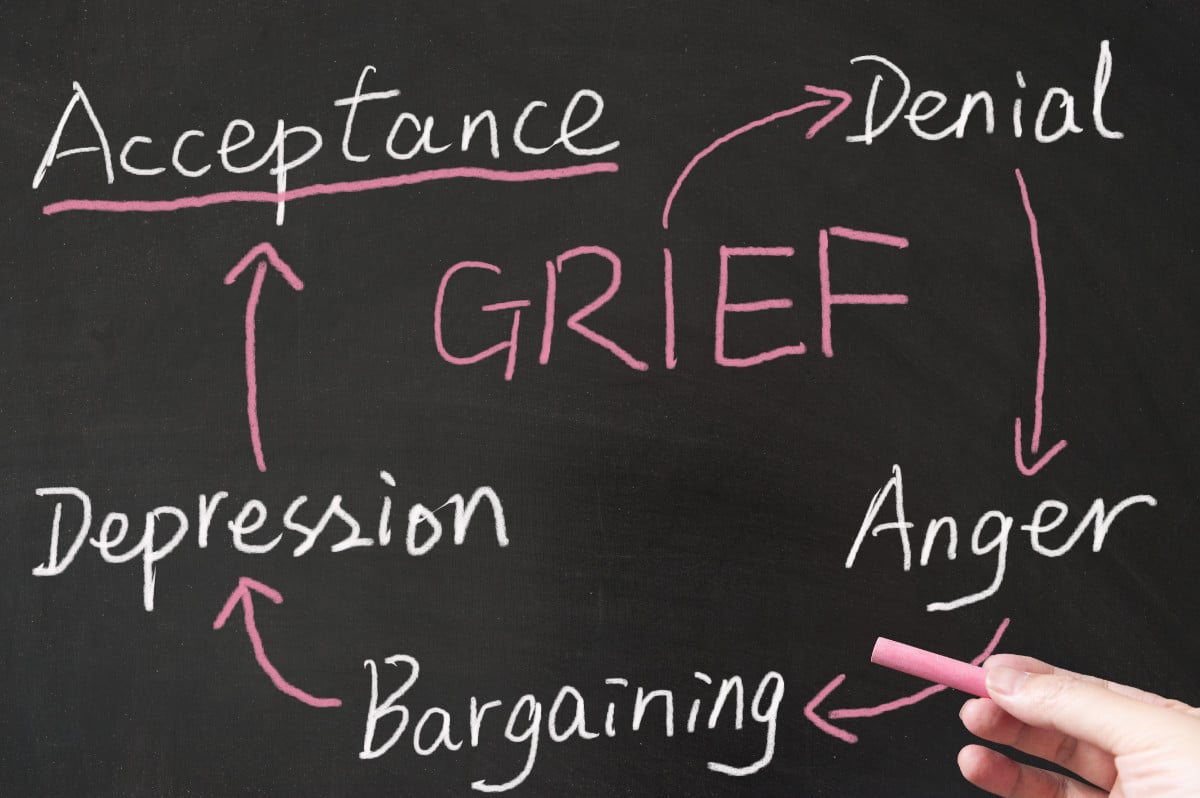
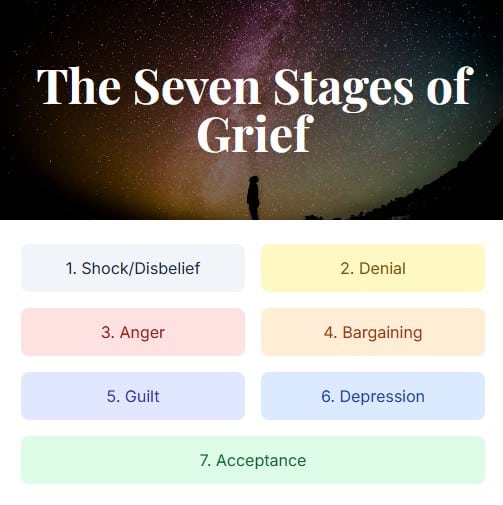
A man in his mid-20s sought Grief Counselling following the death of his older brother from a drug overdose. He described his brother as a central figure in his life, someone he both admired and often conflicted with. The sudden and unexpected nature of the loss left him feeling shocked, confused, and emotionally destabilised. Alongside profound sadness, he noticed strong feelings of anger toward his brother for choices that had contributed to his death. He also experienced guilt, questioning whether he could have done more to prevent the tragedy. These complex and conflicting emotions left him feeling isolated and disconnected from friends, family, and even himself.
He reported physical symptoms of grief including tension in his chest and shoulders, disrupted sleep, low energy and feelings of being depressed. Within his family, he felt unsupported. His parents struggled with their own grief and often avoided discussing the circumstances of his brother’s death, leaving him with a sense of responsibility to manage the emotional tone in the household. Old patterns of caretaking and emotional suppression began to surface, reflecting ways he had coped with family tension throughout adolescence. The combination of grief and anger created a persistent sense of inner tension that affected both his body and mind.
In therapy sessions, he often presented with a rigid posture, clenched jaw, and shallow, rapid breathing. When discussing his brother, he described tightness in his chest, burning tension through his arms, and a sense of restlessness in his legs, which were somatic expressions of both grief and anger. Early work focused on creating a safe container for these emotions, supporting him to remain present with sensations in his body without becoming overwhelmed. Grounding exercises, gentle breathwork, and titration techniques helped him regulate his nervous system as he explored difficult memories and emotions.
Through Somatic Psychotherapy, he was guided to recognise and track the bodily sensations associated with grief and anger. Therapy emphasised that anger is a natural and valid part of grieving, particularly when loss is sudden or linked to perceived choices or injustices. He learned that safely expressing and discharging anger, through controlled movement, somatic exercises, and verbal processing, was essential to prevent it from becoming internalised or destructive. In the early stages, he could acknowledge the anger without fully releasing it, building capacity and trust in his ability to regulate these strong emotions.
As therapy progressed, he developed a stronger sense of emotional safety and began to tolerate deeper feelings of sadness, guilt, and longing. In the later stages, he was able to work with the anger he felt toward his brother, safely expressing it in guided sessions. This allowed him to release long-held tension and frustration, creating space for grief to move alongside acceptance. He described this process as “liberating,” helping him integrate his grief and find a sense of closure without erasing the love and connection he had shared with his brother.
At the end of therapy, he reported feeling more grounded, present, and able to engage with life again. The grief remained, but it no longer felt overwhelming or isolating. He had learned to honour the full spectrum of his emotions, sadness, guilt, longing, and anger, in a safe and regulated way. He also reported a new sense of inner clarity and confidence in managing future challenges, recognising that grief could coexist with growth. This case illustrates how Grief Counselling, using Somatic Psychotherapy, can support clients in processing both loss and complex emotions, including anger, helping them move toward emotional integration, resilience, and reconnection with themselves and others.