Trauma Counselling Perth
If you are looking for trauma counselling Perth, there is a good chance you are not only trying to “talk about the past. More often, you are trying to work out why your body still reacts as if something is happening now. You may be sleeping lightly, bracing in ordinary conversations, avoiding certain places, or feeling suddenly overwhelmed by sounds, tension, or closeness. Some people come in saying they have trauma symptoms. Others say they are exhausted, angry, numb, or “not themselves anymore.


At Energetics Institute in Inglewood, Richard and Helena Boyd work with people whose lives have been shaped by traumatic experiences, complex trauma, and ongoing nervous system strain. Their work is grounded in psychotherapy and body based approaches, because trauma does not only live in memory. It often lives in the breath, the muscles, posture, startle response, shutdown, and the way a person scans the room before they even realise they are doing it.
For one client, the first sign was not panic. It was that he could not sit through dinner after coming back from site without feeling trapped by ordinary family noise. For another, it was not obvious fear. It was the fact that every time someone asked, “Are you okay?” her whole throat tightened and she immediately said yes, even when she was barely holding herself together. For another, the problem looked like over-functioning at work and collapse at home. These are the kinds of patterns that bring people to trauma therapy.
Trauma Does Not Always Announce Itself Clearly
People do not always arrive using words like post traumatic stress disorder, complex ptsd, or traumatic stress disorder ptsd. They often talk about what the trauma is doing instead.
They may describe:
- constant alertness
- sleep that never feels deep enough
- strong reactions to tone of voice or conflict
- periods of numbness or disconnection
- distressing memories
- shame they cannot explain
- feeling unsafe in situations that other people seem to handle easily
- problems staying present with loved ones
- a body that feels switched on long after the danger has passed
Healthdirect notes that PTSD can develop after serious or frightening events and that complex trauma arises from repeated or prolonged exposure, particularly where there is coercion, fear, or abuse. It also notes that complex trauma can affect trust, emotional control, identity, and relationships over time.
What We See In Practice
Trauma in Perth does not arrive in one standard form.
A FIFO worker based between Perth and the Pilbara may look completely steady on the surface. He gets to site, does the job, keeps the routine, stays functional. Then he gets home on day two of break and finds himself furious because the television is too loud, the kids are everywhere, and he cannot get his body to settle. He tells us, “Nothing is wrong, but everything feels like too much.” That is not simply irritability. That is often a system struggling to downshift from prolonged activation.
A woman in her forties may come in for “stress” and only later realise that what she is calling stress has a history. She does not think of herself as someone with trauma. But she has spent years managing around past experiences of control and fear. She apologises too quickly, freezes when challenged, and feels a rush of heat through her chest whenever she has to say no. Once those responses are recognised as trauma reactions, the work changes.
A first responder may not describe a single defining event. Instead, they talk about accumulation. Too many scenes. Too many notifications. Too many moments where the body had to stay sharp and move fast. That is often where vicarious trauma and cumulative trauma need to be named properly, not reduced to burnout.
These examples matter because they show that trauma does not only look like flashbacks in the obvious sense. It can look like relationship strain, emotional reactivity, shutdown, chronic tension, and a life organised around avoiding activation.
Our Trauma Counselling Approach
Our trauma counselling is trauma informed, body-aware, and paced carefully. We do not treat every client as if the same method should be applied in the same order. Some people need more stabilisation before memory work. Some need help recognising bodily sensations and building emotional regulation. Some need support to make sense of traumatic memories that still feel raw and disorganised. Others need help with the quieter effects of trauma, such as emotional distance, distrust, or chronic over-functioning.
This is why our work often begins with:
- understanding your current trauma symptoms
- noticing how trauma shows up in the body
- identifying triggers and protective responses
- building coping strategies
- using grounding and orienting
- reducing the sense that your system is always one step away from alarm
- helping you regain control over reactions that currently feel automatic
Blue Knot, the Australian National Centre of Excellence for Complex Trauma, emphasises that complex trauma treatment often needs a broad, relational, and body-aware model rather than a narrow symptom-only approach.
That is close to how Richard and Helena Boyd work. Trauma recovery is rarely about forcing disclosure. It is about helping the person feel enough safety and internal steadiness that the work can actually be metabolised.
Evidence Based Trauma Treatments And Where We Fit
The Australian Psychological Society identifies several evidence based treatments for PTSD, including trauma-focused CBT, cognitive processing therapy, prolonged exposure therapy, and eye movement desensitisation and reprocessing. Healthdirect also lists trauma-focused psychological treatment as a key part of treating ptsd.
At Energetics Institute, we are clear about our role.
We provide trauma support, psychotherapy, and counselling for people living with the effects of trauma, including:
- single incident trauma
- complex trauma
- long-term relational trauma
- symptoms consistent with c ptsd
- chronic activation, shutdown, and dysregulation
- trauma patterns affecting healthy relationships, work, and well being
We are not a clinic of trauma psychologists, and we are not AHPRA-registered psychologists. We do not diagnose and we do not provide medico-legal reports. Some people will need formal diagnosis, assessment, or medication support. Where that is needed, we are clear and direct about it.
Our contribution is different. We offer a comprehensive approach that includes psychotherapy, body-based regulation, and trauma-informed relational work. Depending on the client, that may draw from:
- cognitive behavioural therapy
- body psychotherapy
- trauma stabilisation work
- relational psychotherapy
- schema therapy
- narrative therapy
- grounding and regulation methods
- carefully paced work with memory and meaning
Why Body Based Trauma Work Matters
Trauma often does not respond well to insight alone. A person may fully understand that they are safe now and still find that their body does not believe it.
This is where body-based work becomes a crucial part of the therapeutic process.
A client might say, “I know my partner is not my father, but my whole body reacts before I can think.” Another might say, “I can talk about the story, but the second we get close to the feeling, I disappear.” Those are not failures. They are useful clinical clues.
In body-based trauma work, we pay attention to:
- breath restriction
- collapse or loss of energy
- muscle tension
- agitation
- dissociation
- startle response
- changes in eye focus
- armouring through the chest, jaw, throat, or diaphragm
Once those patterns become visible, we can start helping the person interrupt them earlier. That is often where healing begins to feel real rather than theoretical.
What Early Trauma Work Often Focuses On
Many people assume trauma work starts by retelling the worst event in detail. In reality, that is often not the best first step.
The early stage may focus on:
- recognising trauma symptoms
- identifying the difference between present stress and old activation
- using grounding techniques
- building coping strategies
- improving emotional health
- helping the body experience small moments of safety again
- reducing shame around protective responses
- increasing the person’s capacity to stay present without becoming overwhelmed
For some people, that early work is the turning point. One client said after several sessions, “I still have the memories, but I’m not ambushed by my own body in the same way.” That kind of shift matters. It means the system is beginning to trust that it does not have to stay on guard in the same way it once did.
Complex Trauma And C-PTSD
Complex trauma usually asks for more patience and more depth than straightforward symptom management. When trauma has shaped attachment, trust, self-worth, and the body’s default state for years, treatment needs to account for that.
Healthdirect explains that complex ptsd can involve difficulties with emotional regulation, trust, self-image, and relationships, not only classic PTSD symptoms.
In practice, people with c ptsd often come in carrying patterns such as:
- becoming highly compliant when distressed
- disconnecting from feelings until they are overwhelmed
- confusion about boundaries
- difficulty trusting calm relationships
- oscillating between numbness and intensity
- chronic shame
- difficulty with self-protection
This is one reason trauma informed therapies and trauma informed practices matter. The pace, language, and structure of therapy need to fit the person’s system, not just the diagnosis.
Trauma Affects More Than The Individual
Trauma can affect parenting, intimacy, friendships, work, and everyday functioning. A person may want closeness and still react to it like danger. They may look strong at work and feel fragile at home. They may have trouble letting go of vigilance, which can slowly wear down both physical well being and emotional flexibility.
Part of promote healing work is helping people understand how trauma is affecting the wider field of their life. That includes helping them explain what is happening to loved ones, rebuild trust, and stop interpreting every stress reaction as personal failure.
Trauma Support In Perth And WA
Good local support matters. Trauma work should feel grounded in the reality of WA life.
In Perth, people may be carrying the pressure of long commutes, FIFO transitions, emergency service exposure, family violence, or histories that stayed hidden for years because “getting on with it” felt like the only option. Regional and remote clients often carry a different layer again, including isolation, site culture, and fewer immediate supports.
If someone is in crisis in metro Perth, the WA Mental Health Emergency Response Line operates 24 hours on 1300 555 788. In regional WA, Rurallink provides after-hours support on 1800 552 002. In an emergency, call 000.
Your First Session
The first session is not about proving your trauma or forcing yourself to say everything at once. It is about understanding what is happening now, what has brought you in, and what kind of support is likely to help.
We look at:
- current symptoms
- key stress points in daily life
- the impact on relationships and functioning
- whether the presentation looks more like classic PTSD, complex trauma, or another trauma-related pattern
- what pace feels possible
- what kind of support is needed first
For some people, the first phase is stabilisation. For others, it is beginning more direct trauma work. Either way, the aim is not pressure. It is fit.
Our Trauma Counsellors


Our Reviews
FAQs About Trauma Counselling
Most Recent Trauma Articles
How Can I Find Help for Feeling Overwhelmed in My Daily Life?
Feeling overwhelmed is common and treatable. If daily life feels [...]
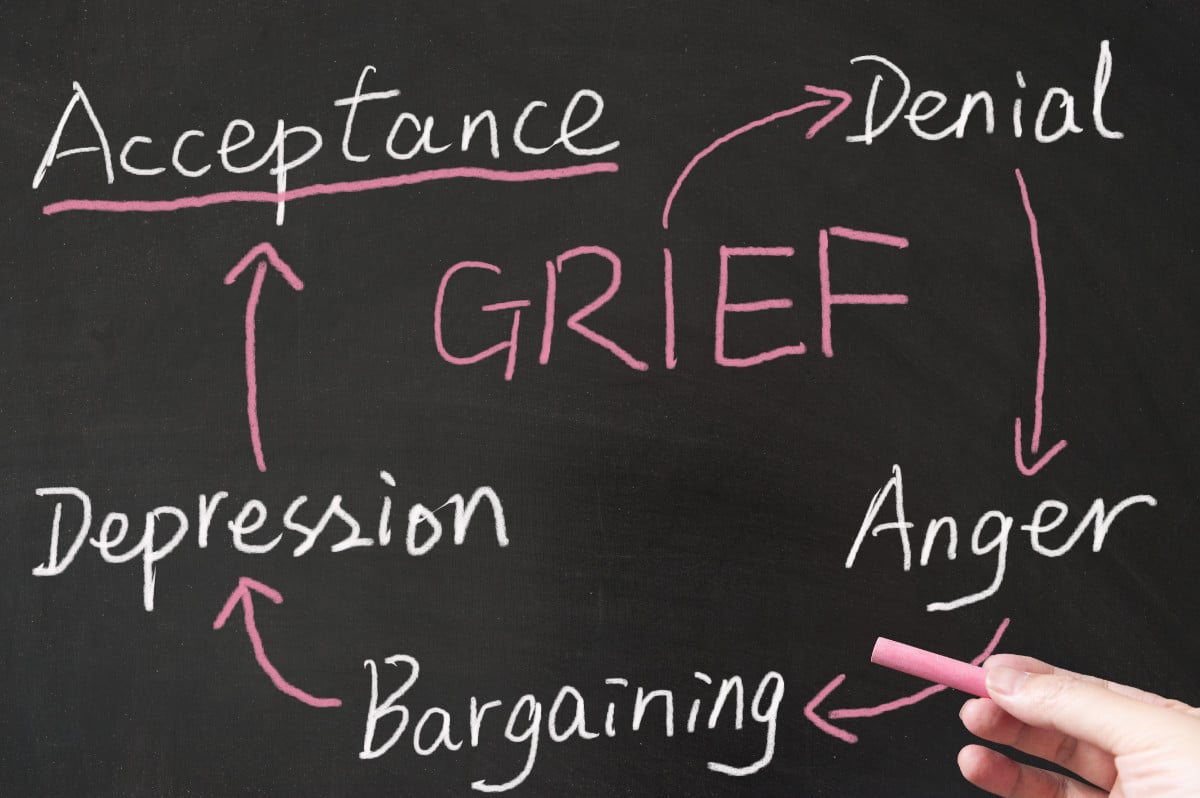
What Type of Counselling is Best for Grief
Grief and loss can follow the death of a loved [...]
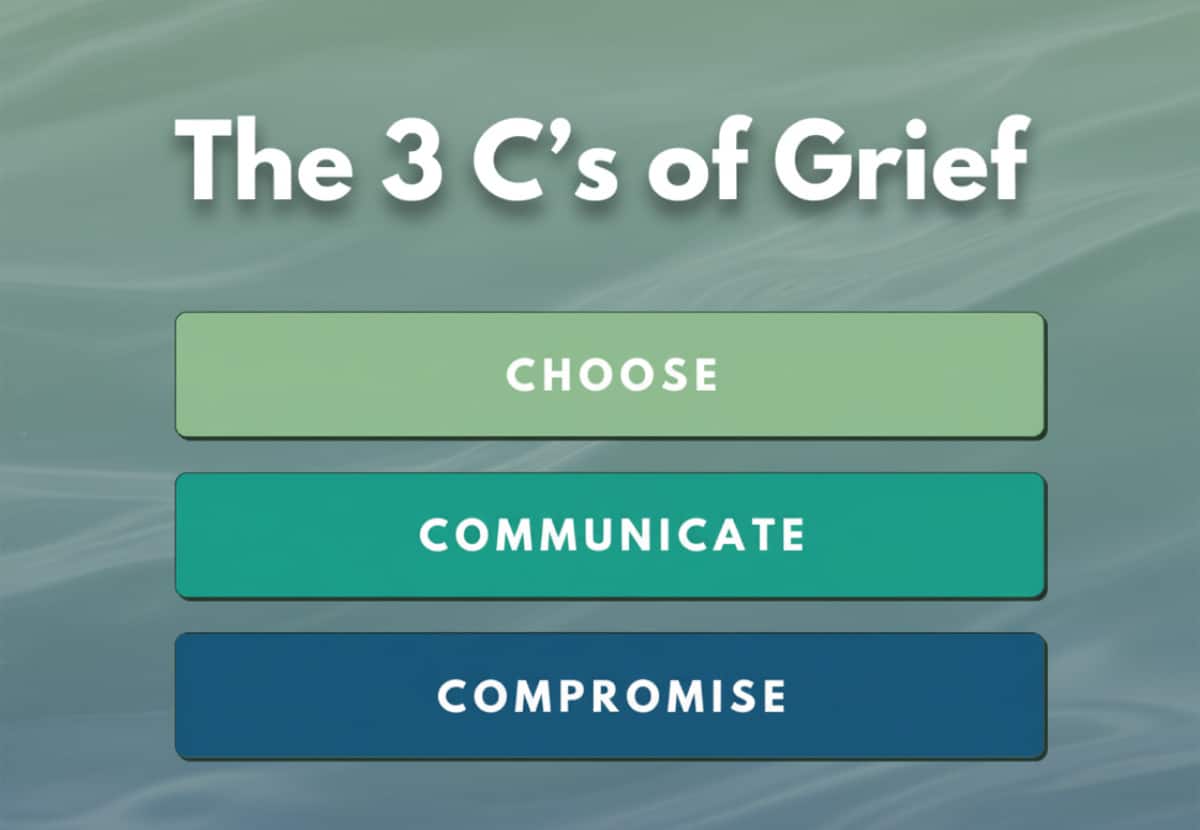
What do the 3 C’s of grief mean?
The 3 C’s (choose, connect, communicate) are a practical compass [...]